property
Kansas City's Shared Equity Scheme, Explained Step by Step
With median home prices pushing $295,000 across the metro, a little-known ownership model is giving first-time buyers in neighborhoods like Troost Corridor and Westside a genuine shot at the market.
How we reported this
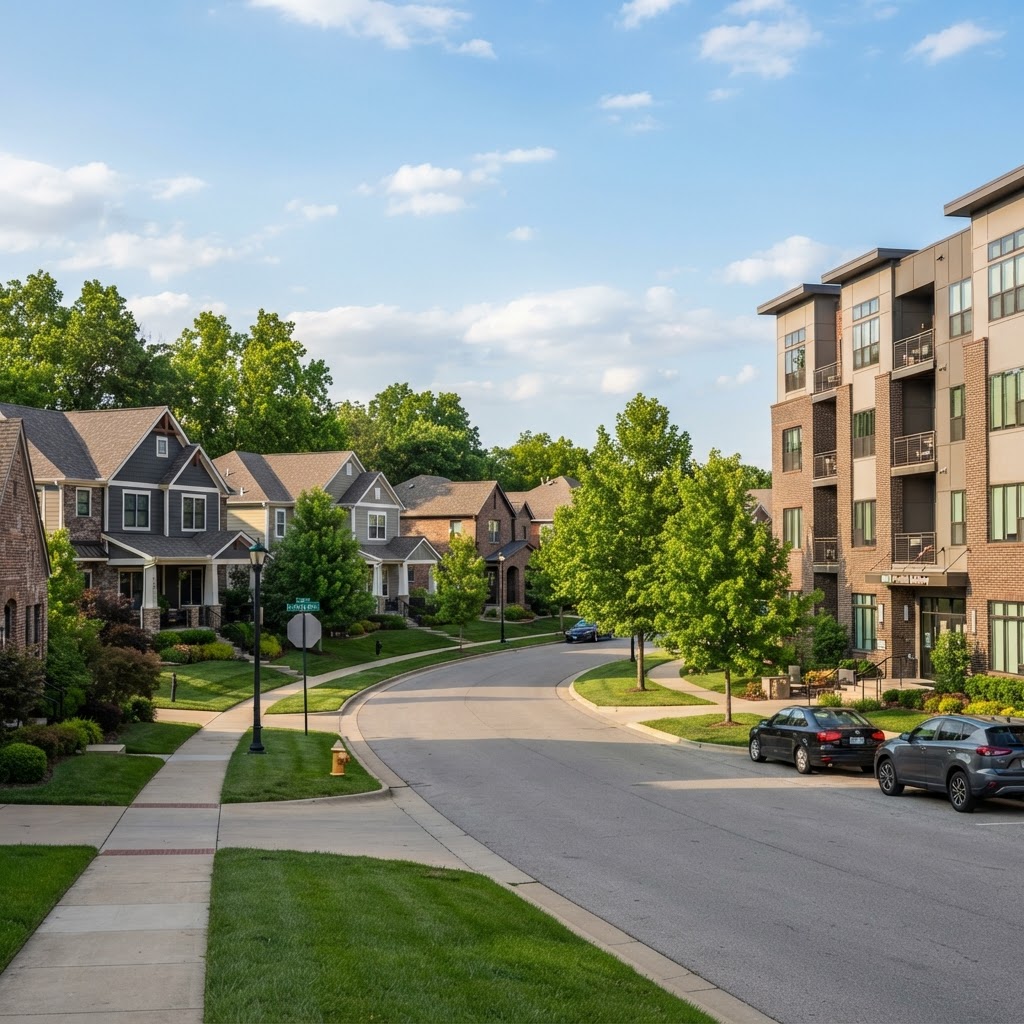
Kansas City's shared equity homeownership program has quietly processed more than 140 applications since January, and housing counselors at reStart Inc. say demand is outpacing available inventory for the third consecutive quarter. The model, in which a government or nonprofit entity co-invests in a property alongside the buyer, is one of the few tools actually moving the needle for households earning between $45,000 and $75,000 a year in Jackson County.
The timing matters because mortgage rates have stabilized around 6.8 percent as of this week, and the median sale price for a single-family home in the Kansas City metro hit $295,000 in May 2026, according to Kansas City Regional Association of Realtors data. That combination has locked out roughly 38 percent of first-time buyers who qualified under 2021 conditions, the association estimates. Shared equity isn't a new concept, community land trusts have operated in cities like Burlington, Vermont, since the 1980s, but local administrators say 2026 is the year it has genuinely entered mainstream conversation here.
How the Model Actually Works
The structure is straightforward, even if the paperwork is not. A buyer purchases a home using a combination of their own mortgage and a silent second loan, or equity stake, from a participating entity. In Kansas City, the primary vehicle is the Affordable Homes KC initiative run through the Housing Authority of Kansas City, Missouri. The authority contributes between $25,000 and $50,000 toward the purchase price, taking a proportional ownership share in return. When the buyer eventually sells, that same percentage of the appreciation goes back to the program, which then funds the next buyer.
Step one is a HUD-approved housing counseling session, reStart Inc., based near 31st and Troost Avenue, is the most accessible provider on the Missouri side, while Habitat for Humanity Kansas City runs similar sessions out of its Westside office on Southwest Boulevard. Both are free. Step two is income verification: buyers must earn no more than 80 percent of Area Median Income, which for a family of four in Jackson County is $68,150 in 2026. Step three is the property search, limited to homes within designated zip codes that include 64110, 64127, and 64128, covering Troost Corridor, Paseo, and parts of the urban core. Step four is the co-purchase agreement, executed alongside a standard FHA or conventional mortgage. Step five, and the one most buyers overlook, is the resale restriction covenant, which caps future sale prices to ensure the home stays affordable for the next buyer.
That resale cap is where first-time buyers need to read carefully. The covenant typically limits price appreciation to an index formula, often CPI plus one percent, rather than full market value. A buyer who paid $180,000 with $40,000 in program equity in 2026 might only be able to sell for $210,000 in five years, even if comparable homes on the block fetch $260,000. The tradeoff is clear: lower barriers to entry, in exchange for capped upside.
What Grants Are Also on the Table
Shared equity isn't the only tool available. The Missouri Housing Development Commission's First Place Loan program offers down payment assistance of up to four percent of the loan amount for qualifying buyers, and can be layered on top of the Affordable Homes KC equity contribution. Separately, the city's Homeownership Incentive Program, administered through the Kansas City, Missouri, City Manager's office, offers a $5,000 forgivable grant for buyers who close on homes in targeted reinvestment zones, which include sections of the Historic Northeast and Ivanhoe neighborhoods.
For buyers ready to start, the clearest path is a call to reStart Inc. at their 31st Street office to schedule that initial HUD counseling session, current wait times are running about two weeks. From there, pre-approval through a participating lender, a list of which the Housing Authority maintains on its website, takes another ten to fourteen days. Realistically, a buyer who starts the process this month could be in contract on a Troost Corridor property by late September. The inventory is thin, fewer than 60 eligible homes were listed in those target zip codes as of July 1, so moving quickly, with documentation ready, separates serious buyers from those who end up waiting another year.
This article is general information only and is not personal financial or investment advice. Consider your own circumstances and seek licensed professional advice before making financial decisions.