property
Lenders Mortgage Insurance: When It Makes Sense to Pay It
Kansas City first-time buyers weigh the trade-offs of paying lenders mortgage insurance on homes purchased with less than 20 percent down.
How we reported this
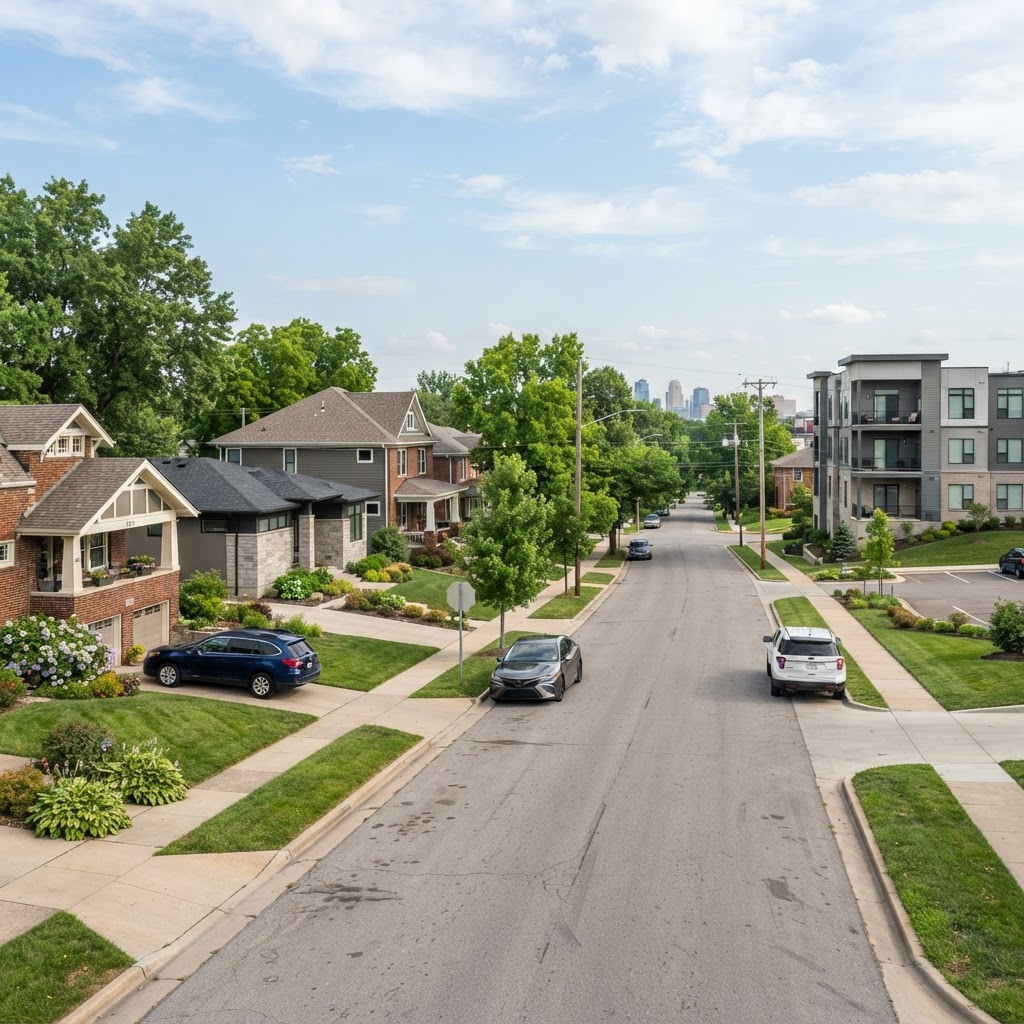
First-time buyers in Kansas City closed on 1,240 homes priced under $350,000 during the first quarter of 2026, and 68 percent of those purchases carried lenders mortgage insurance.
Median sale prices climbed 7 percent year over year, pushing many entry-level buyers below the 20 percent equity threshold that avoids the extra premium. Local lenders report that buyers who expect to stay in their homes at least five years often find the monthly insurance cost lower than the lost opportunity of delaying a purchase while saving an additional $40,000 to $60,000.
Local programs that offset the premium
The Kansas City Housing Authority offers down-payment assistance up to $10,000 for households earning under 80 percent of area median income, and the Missouri Housing Development Commission matches that amount for properties inside the 64109 and 64110 zip codes that cover the Crossroads and Westport neighborhoods. Buyers who combine both grants with a conventional loan can reduce the insured portion of the mortgage by $15,000 to $20,000.
Recent closings on 39th Street near the Plaza and on Baltimore Avenue in the Crossroads show that three-bedroom homes selling for $285,000 still require insurance when buyers put down only 5 percent, yet the monthly premium runs $92 on a 30-year note at 6.75 percent interest.
Numbers that guide the decision
At current rates, a buyer who pays lenders mortgage insurance for seven years on a $285,000 loan will spend roughly $7,700 in premiums before the coverage can be removed. That total stays below the interest cost of carrying an extra $50,000 in debt for the same period while trying to reach 20 percent equity.
Buyers who plan to sell within four years or who qualify for the local grants should calculate the break-even point with their lender before signing. Those who stay longer and can afford the higher payment without grants often save money by putting the minimum down and directing extra cash toward principal reduction instead.
This article is general information only and is not personal financial or investment advice. Consider your own circumstances and seek licensed professional advice before making financial decisions.